Ambiguity can feel like accusation.
The socially anxious mind often treats unclear signals as proof of rejection before evidence arrives.
7 memorable lines from Are You Mad at Me? by Meg Josephson, each with the idea behind it.
As an Amazon Associate, HourLife earns from qualifying purchases.
Lines labelled “HourLife takeaway” are our wording of the book’s ideas and may paraphrase it. Only lines in quotation marks are the author’s own words, with where they appear. Check the book for exact wording before you quote it. Spot an error?
Ambiguity can feel like accusation.
The socially anxious mind often treats unclear signals as proof of rejection before evidence arrives.
Reassurance can become a loop.
Checking may soothe briefly, but it can train the brain to need another check soon after.
A cue is not a conclusion.
Short replies, delayed texts, and changed tone need interpretation, but they do not deserve instant certainty.
People-pleasing hides fear as kindness.
The book distinguishes genuine care from self-erasure designed to prevent disapproval.
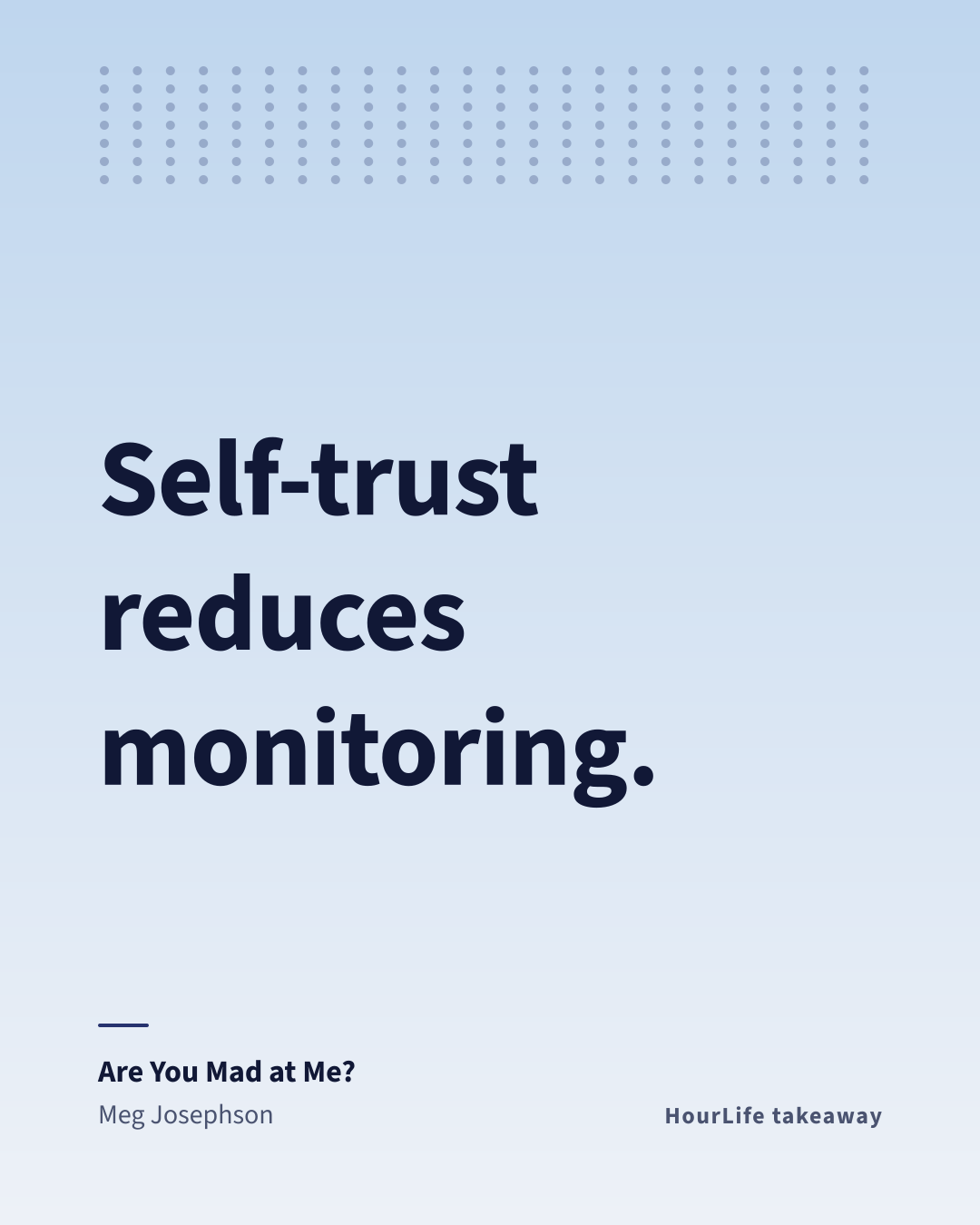
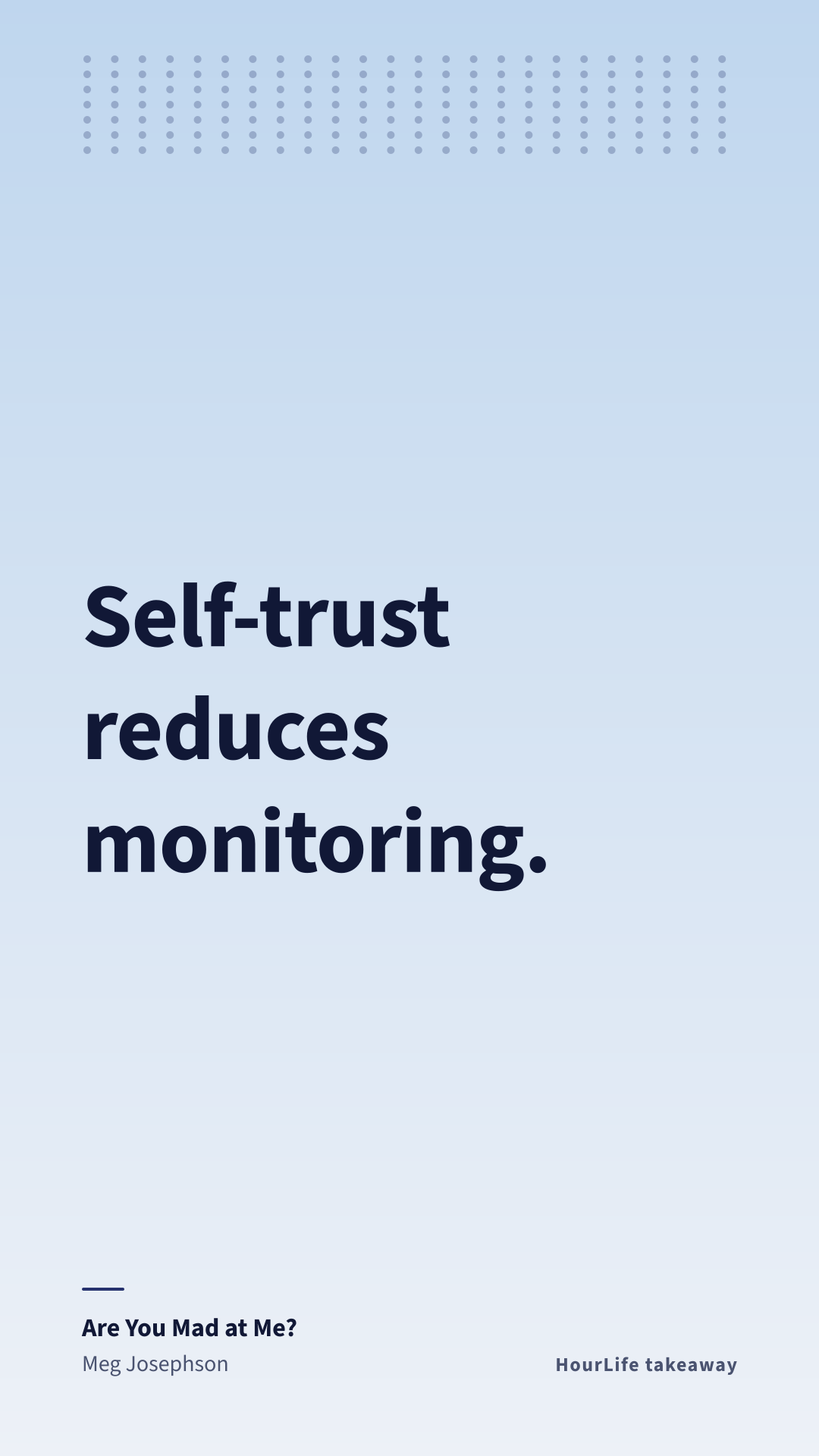
Self-trust reduces monitoring.
When you trust your ability to handle conflict, every micro-expression becomes less urgent.
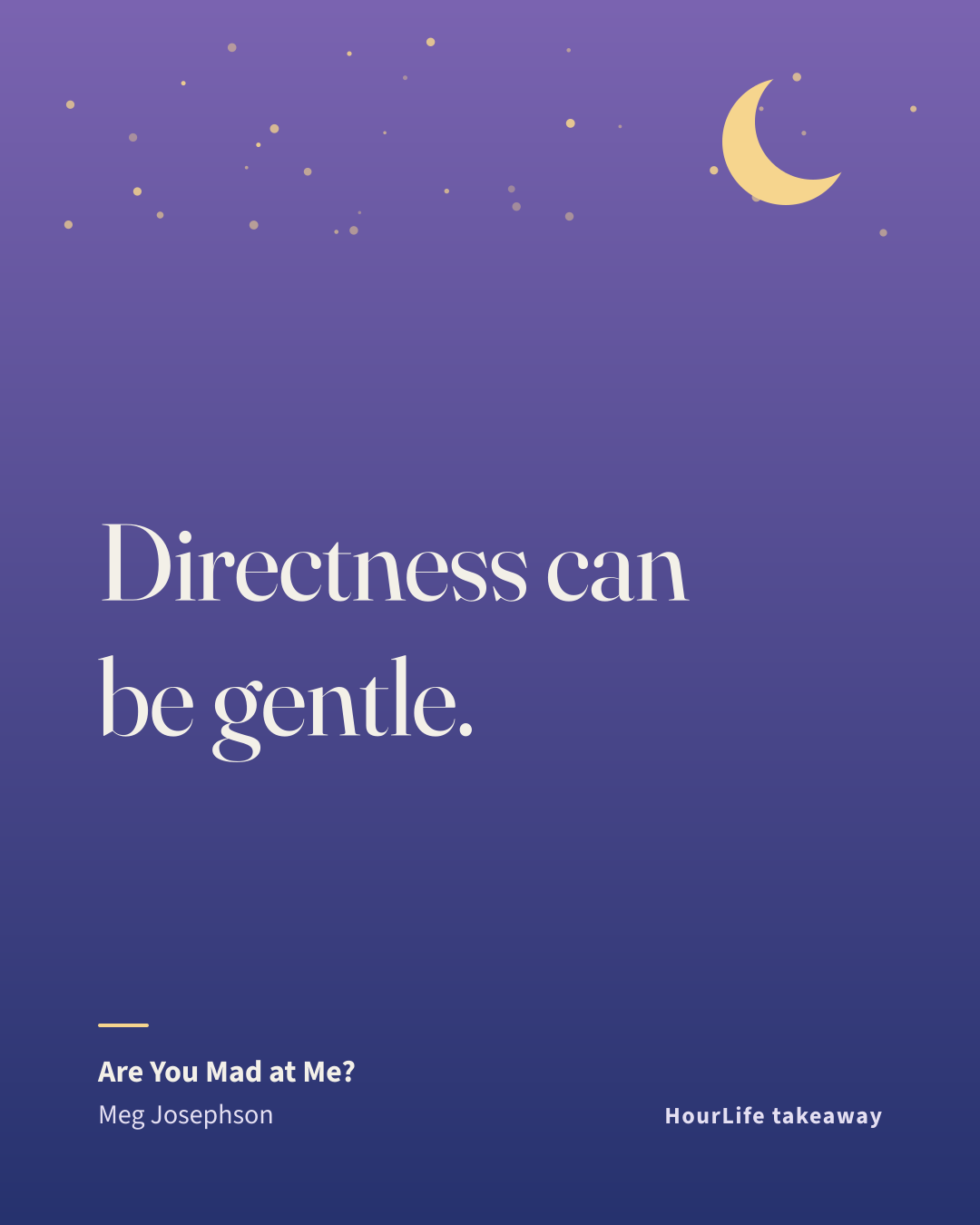
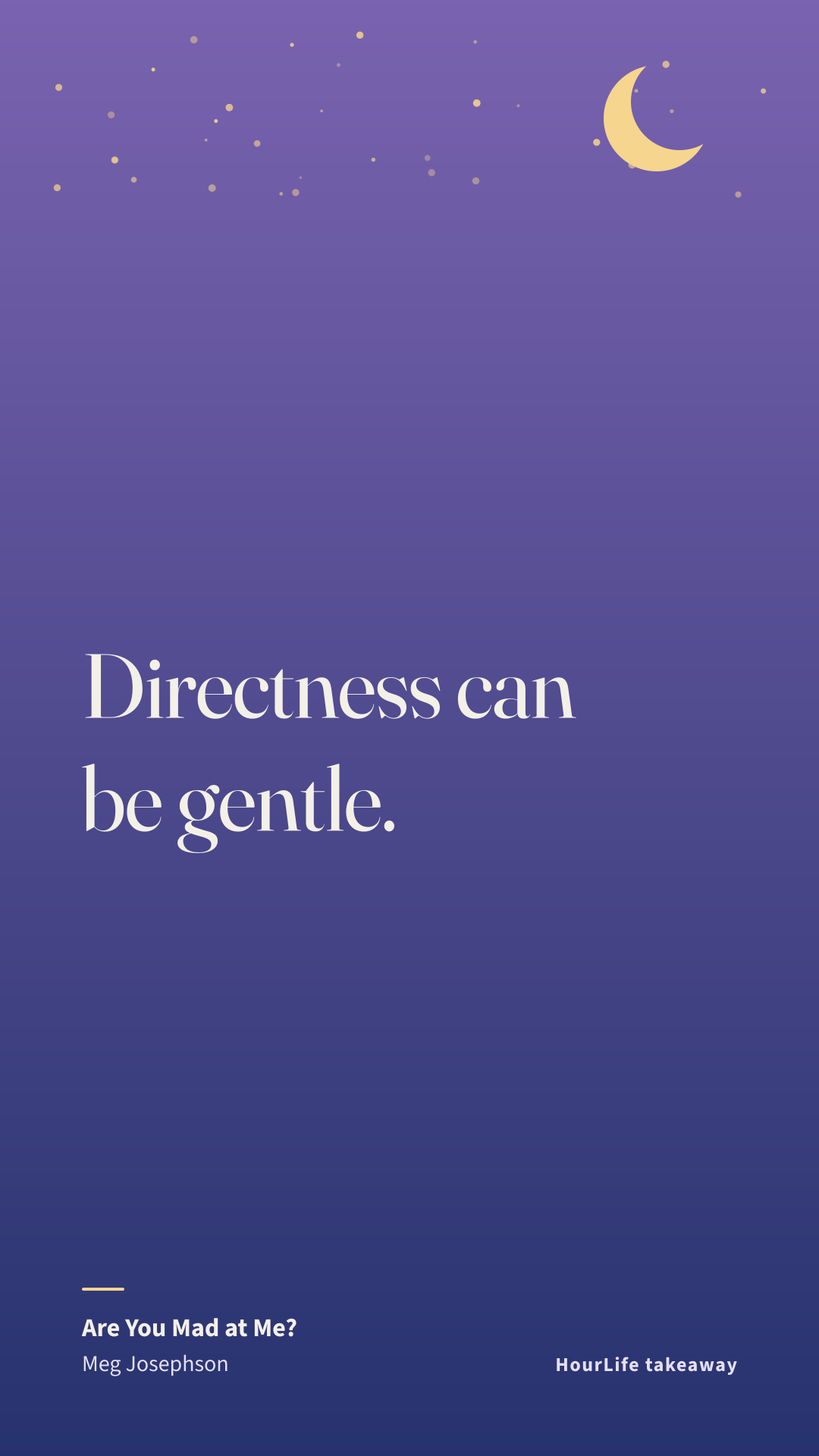
Directness can be gentle.
Clean questions often create less drama than silent analysis and repeated reassurance bids.
The body needs safety signals too.
Social anxiety is not just a thought error; regulation helps the mind read cues more accurately.
HourLife turns these ideas into a daily system — goals, habits, focus, and reflection in one private place.