A small subject can open onto a much larger world.
A review can begin with an ordinary object and lead into a question about how we live. Let the detail do the opening work.
The most-loved lines from John Green, drawn from 1 book in the library.
Lines labelled “HourLife takeaway” are our wording of the book’s ideas and may paraphrase it. Only lines in quotation marks are the author’s own words, with where they appear. Check the book for exact wording before you quote it. Spot an error?
A small subject can open onto a much larger world.
A review can begin with an ordinary object and lead into a question about how we live. Let the detail do the opening work.
A temporary life can still contain lasting meaning.
One way readers meet the book is through the tension between small human lives and the scale of the world around them. Smallness need not make affection feel pointless.
You do not need a perfect verdict to pay attention.
A useful reading practice: let an essay leave you with a question. You can notice a contradiction without forcing it into a final answer.
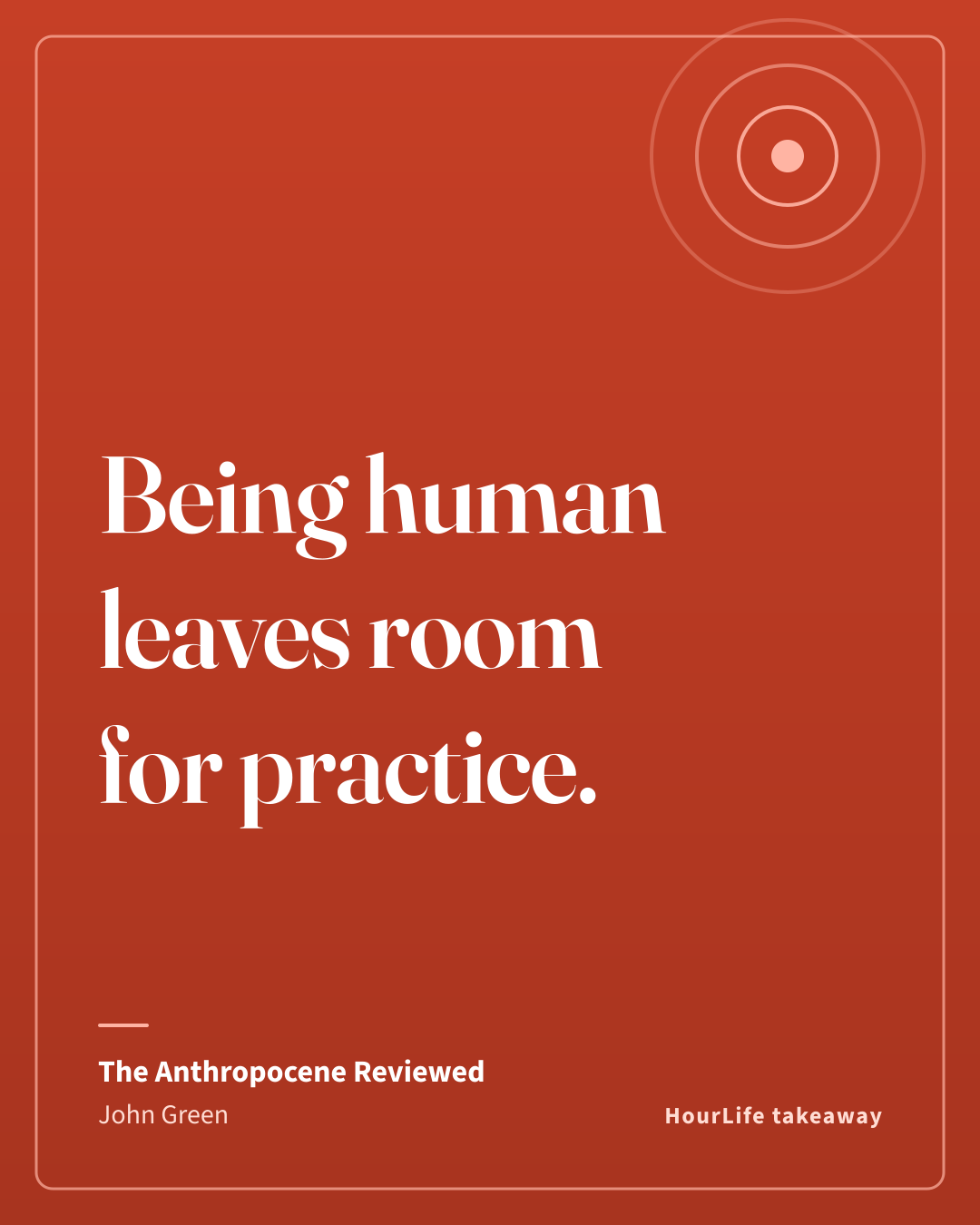
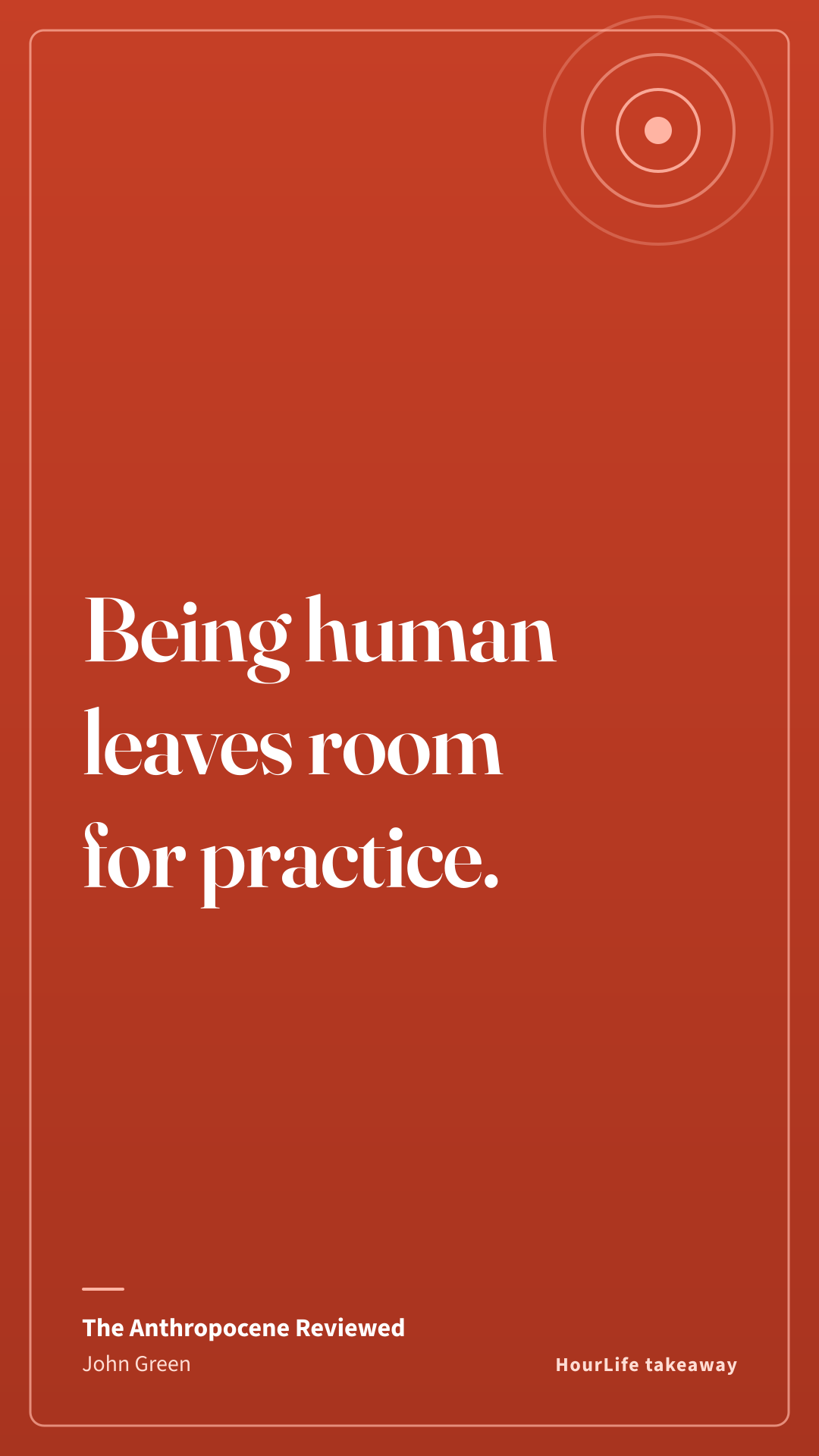
Being human leaves room for practice.
Read the essays as invitations to keep noticing, caring, and trying. You can return to an ordinary experience and find something you missed.
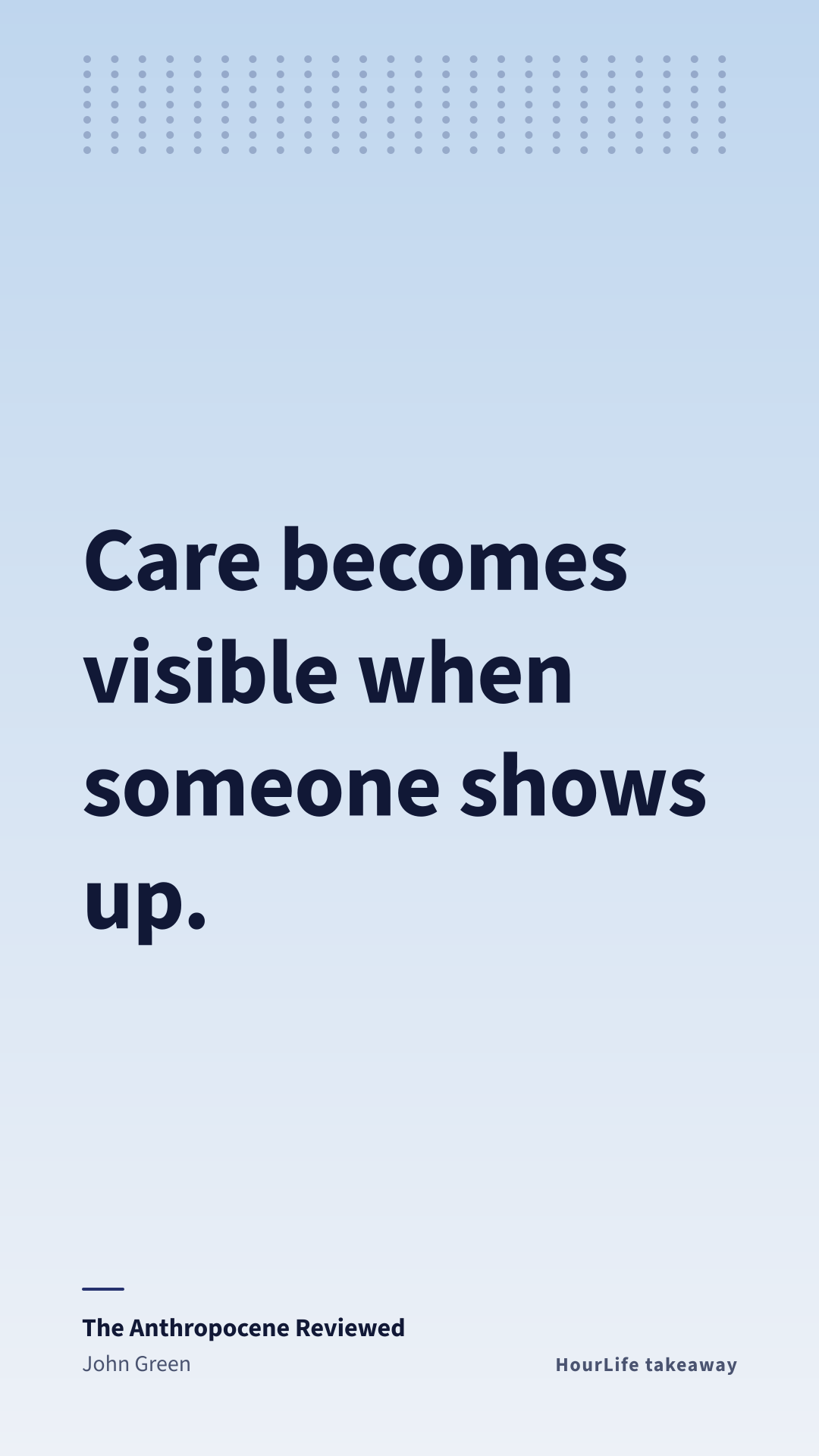
Care becomes visible when someone shows up.
A reader’s reflection on connection: presence can be as simple as making a call, listening, or keeping a small promise. Start with someone real.
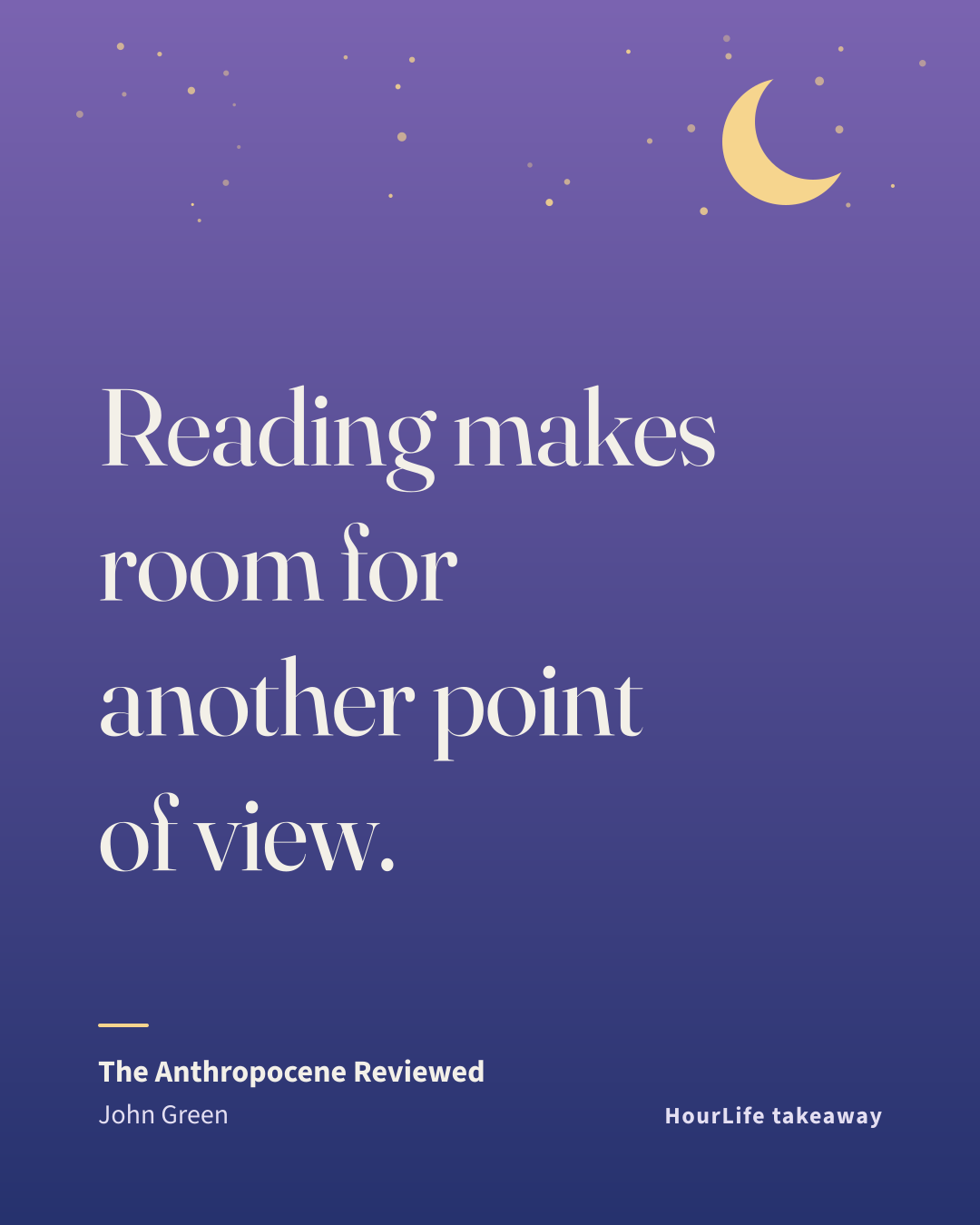
Reading makes room for another point of view.
A personal essay lets you follow someone else’s attention. Notice where your experience meets theirs, and where it does not.
HourLife turns these ideas into a daily system — goals, habits, focus, and reflection in one private place.