
The all-in-one productivity app already gets a lot right
Putting tasks, habits, and focus sessions under one roof solves an obvious problem: three separate apps means three separate pictures of the same day, and nobody reconciles them. An app that bundles them is ahead of the alternative.
If a capable task app with habit tracking and a timer covers your day, there is no reason to move.
Bundled is not the same as connected
Bundling puts features in one app. Connecting makes them explain each other. A habit that sits in its own tab beside a task list is still a separate system, just a shorter walk away.
The useful version is different. A task should be able to name the goal it serves. A dropped habit should be visible next to the week that dropped it. A focus session should attach to real work, not to an abstract timer. And at the end of a month, that should add up to a record you can read.
How HourLife connects them
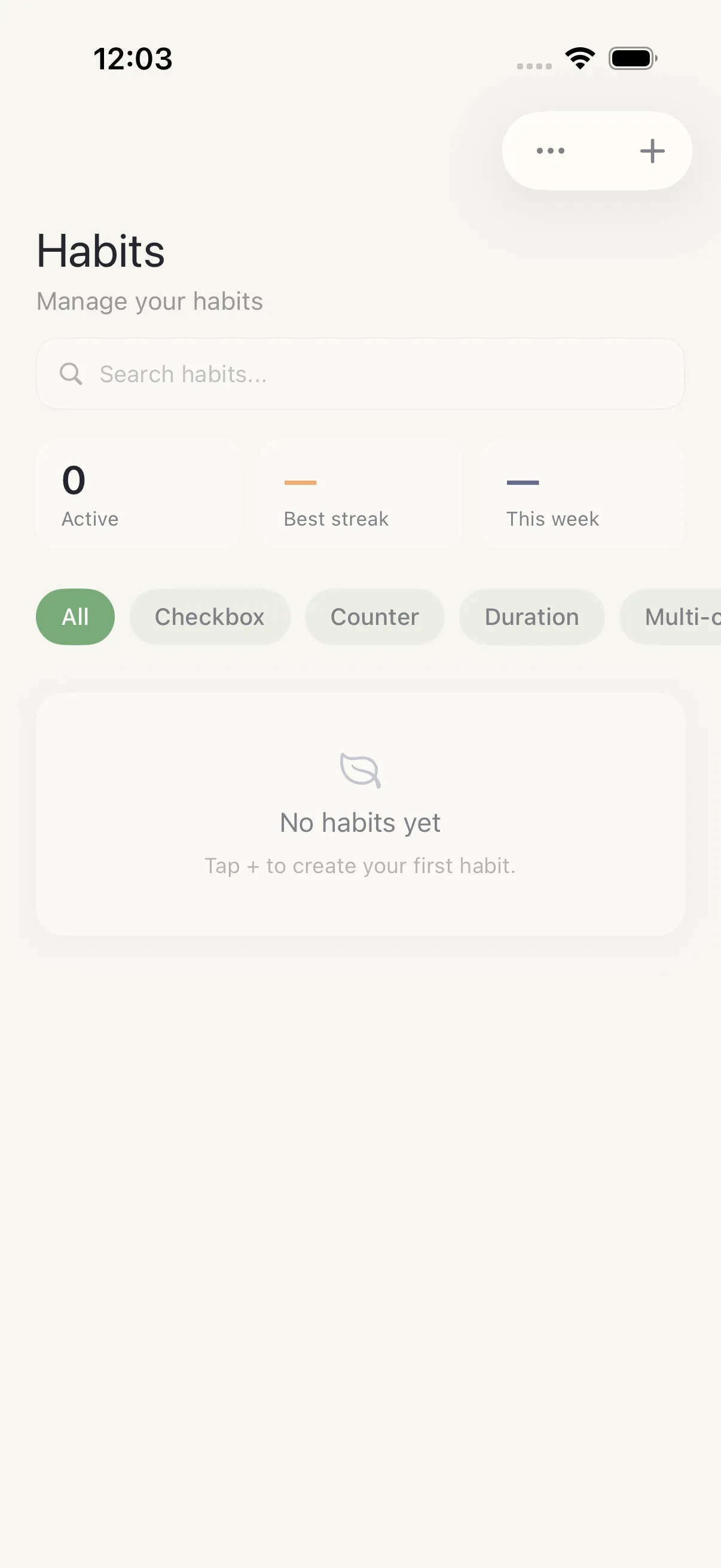
HourLife overlaps with tasks, habits, and focus, then extends past them into the rest of a personal system:
- Goals and Projects, so daily action traces back to intent.
- Journal, Mood, and Energy for context around performance.
- Gratitude, Highlights, Decisions, and Learning.
- Daily and weekly review built on what you actually recorded.
- Markdown export for a readable private record.
The question shifts from what do I need to do, to what did this week mean and what is it building toward.
Where a task-first app wins
If you want a large catalogue of task views, filters, and productivity layouts, a task-first app is the stronger tool. HourLife is deliberately more opinionated and has fewer ways to slice a list.
HourLife is also Apple-native personal software with no collaboration features, so a cross-platform or shared setup is a different requirement entirely.